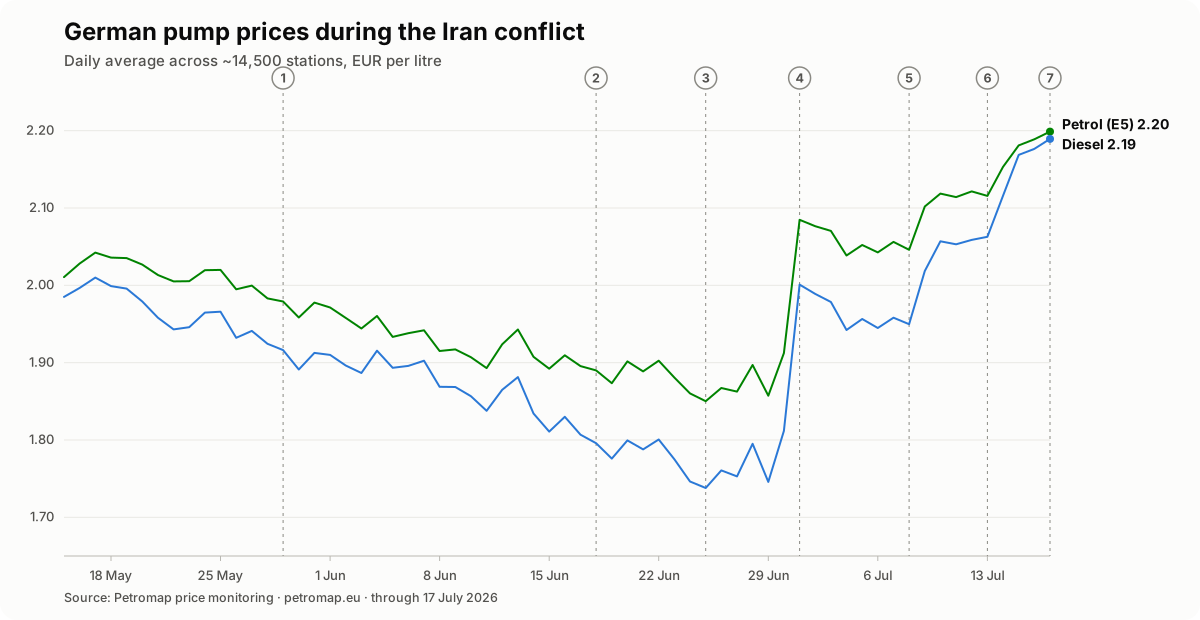
Diesel in Germany cost 1.74 €/L on 25 June, the cheapest it had been since the Iran war began in February. Three weeks later it stood at 2.19 €/L. As of 20 July 2026, the national average is 2.15 €/L for diesel and 2.16 €/L for petrol.
A 45-cent swing in three weeks looks like pure war panic. Our station-level data tells a more interesting story: the two big jumps in that window had completely different causes, and only one of them was the war.
What happened when
The numbered markers on the chart:
| # | Date | Event |
|---|---|---|
| 1 | 29 May | Qatar-mediated ceasefire optimism. Brent falls to about $100, 20% below its April peak of $126 |
| 2 | 18 Jun | The US and Iran sign the Islamabad Memorandum. The Strait of Hormuz reopens, Brent drops to $78 |
| 3 | 25 Jun | Brent back at its pre-war level of about $71. German pump prices hit their post-February low |
| 4 | 1 Jul | Germany's temporary energy tax cut expires. Pump prices jump about 17 cents overnight |
| 5 | 8 Jul | The truce collapses, US strikes on Iran resume. Brent gains 5.2% in a day |
| 6 | 13 Jul | Attacks on shipping shut most Strait of Hormuz traffic. Brent posts its biggest daily gain of the month |
| 7 | 17 Jul | Iran strikes US bases in five Gulf states. Brent reaches $88, up 14% in a week |
The jump that was not the war
The single biggest one-day move in our data is 30 June to 1 July: petrol up about 17 cents, diesel up about 19 cents, overnight and nationwide. No missile caused it. Germany had cut energy tax on fuels by 14.04 cents per litre (about 16.7 cents including VAT) for May and June to cushion the war spike. The cut simply expired on schedule, and the full tax rate returned on 1 July.
If you saw headlines that week blaming the war for prices "surging past 2 euros", the chart shows the honest attribution: that particular step was fiscal policy, working exactly as legislated.
The real war premium
The war's fingerprint is the slower climb that starts on 9 July, the day after the truce collapsed. From 8 July to 17 July the German diesel average rose another 24 cents, tracking Brent's climb from $74 to $88 with the usual one-to-two-week pass-through lag. ADAC noted that July's pump increases ran a few cents ahead of what crude alone would justify, a familiar pattern in tense weeks.
For context: even at 2.19 €/L, diesel remains below its March 2026 record, when the initial shock and the Hormuz closure pushed the monthly average to 2.164 €/L, the highest ever recorded in Germany, and Brent traded far higher than today. Two things softened the blow at the pump: the IEA's largest-ever stock release of 400 million barrels and the German tax cut.
Where prices stand across Europe
The war moves every European market, but not equally. Diesel was hit harder than petrol throughout the conflict (the EU average rose 26% versus 12% between late February and late April, per the EU Weekly Oil Bulletin). Right now the EU-wide average stands at 1.85 €/L for petrol and 1.91 €/L for diesel, with Germany near the top of the range:
| Country | Gasoline (€/L) | Diesel (€/L) |
|---|---|---|
| 🇩🇪 Germany | 2.16 | 2.15 |
| 🇫🇷 France | 2.00 | 2.09 |
| 🇦🇹 Austria | 1.81 | 1.93 |
| 🇨🇿 Czechia | 1.65 (40.05 CZK) | 1.54 (37.24 CZK) |
| 🇪🇸 Spain | 1.60 | 1.66 |
| 🇮🇹 Italy | 1.98 | 2.12 |
Live averages, cheapest per fuel in bold. These figures refresh automatically from Petromap's station data.
Method and sources
Pump prices in the chart are the unweighted daily average across roughly 14,500 German stations tracked by Petromap, through 17 July 2026. Crude prices and event dates are from public reporting: Al Jazeera, CNBC, the IEA, ADAC and the German finance ministry (linked above). Check today's prices near you on the live map, or pull this data yourself via our free API.
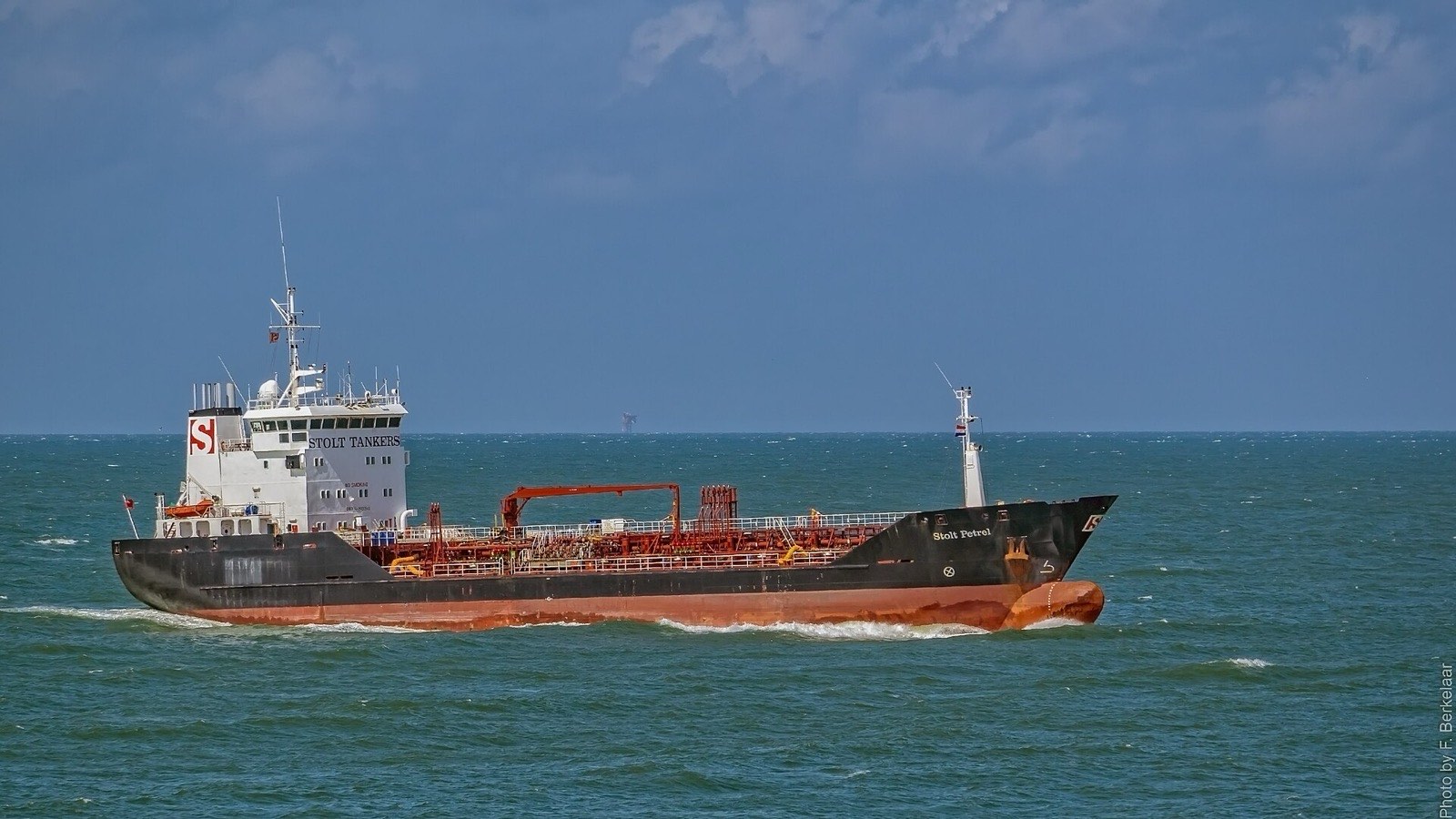
Cover photo: Frans Berkelaar, CC BY 2.0, via Wikimedia Commons.
.jpg)