Petrol made the headlines during the Iran war, but diesel wrote the bigger economic story. Between the end of 2025 and the end of March 2026, the EU average diesel price rose by roughly a quarter: the IRU, Upply and Ti freight-cost benchmark puts it at plus 26 percent for Q1, from about 1.56 to 1.96 euros per litre, with Germany (plus 35 percent) and France (plus 27 percent) dragging the average up. In the official weekly bulletin data we compile, the German peak touched 2.43 euros in early April.
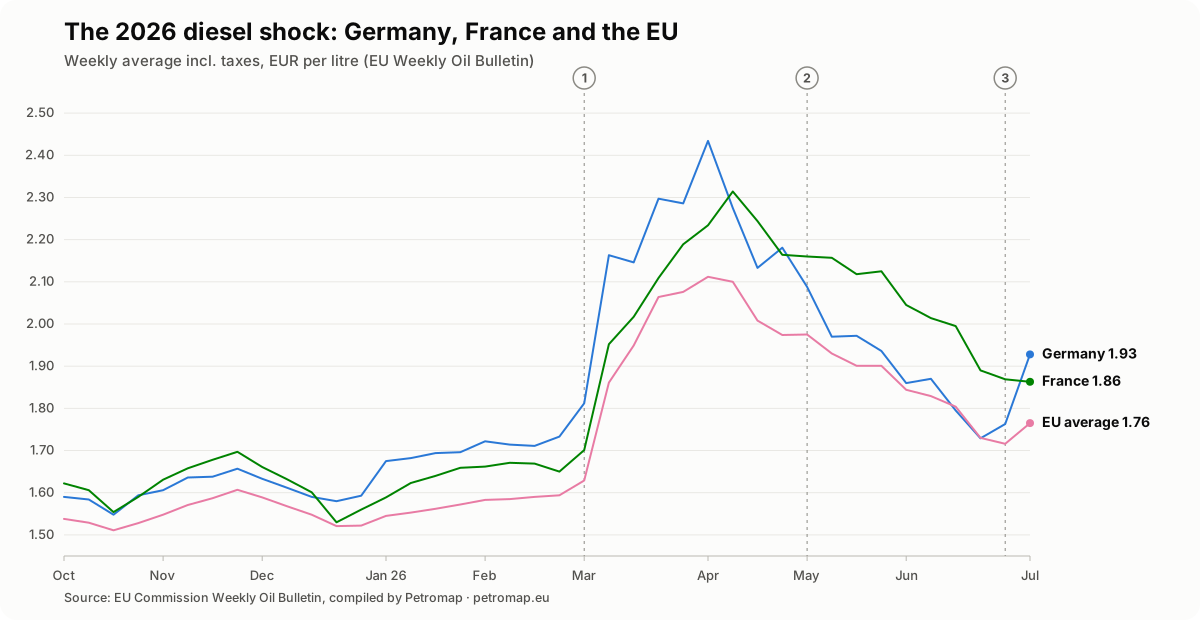
The markers tell the story: ① the war's first trading week in March, when middle-distillate markets tightened much harder than petrol; ② Germany's temporary fuel-tax cut taking effect in May, which briefly pushed German diesel below French; ③ the truce collapse at the start of July, which turned the three-month decline back around.
Why diesel got hit harder than petrol
Europe is structurally short of diesel. The continent imports middle distillates at scale, and a large share of that supply moves through the very shipping lanes the war disrupted. Petrol, which Europe exports on balance, had a cushion; diesel did not. The EU-average gap between the two fuels' price increases (26 versus 12 percent over the spring, per the EU Weekly Oil Bulletin) is that asymmetry made visible.
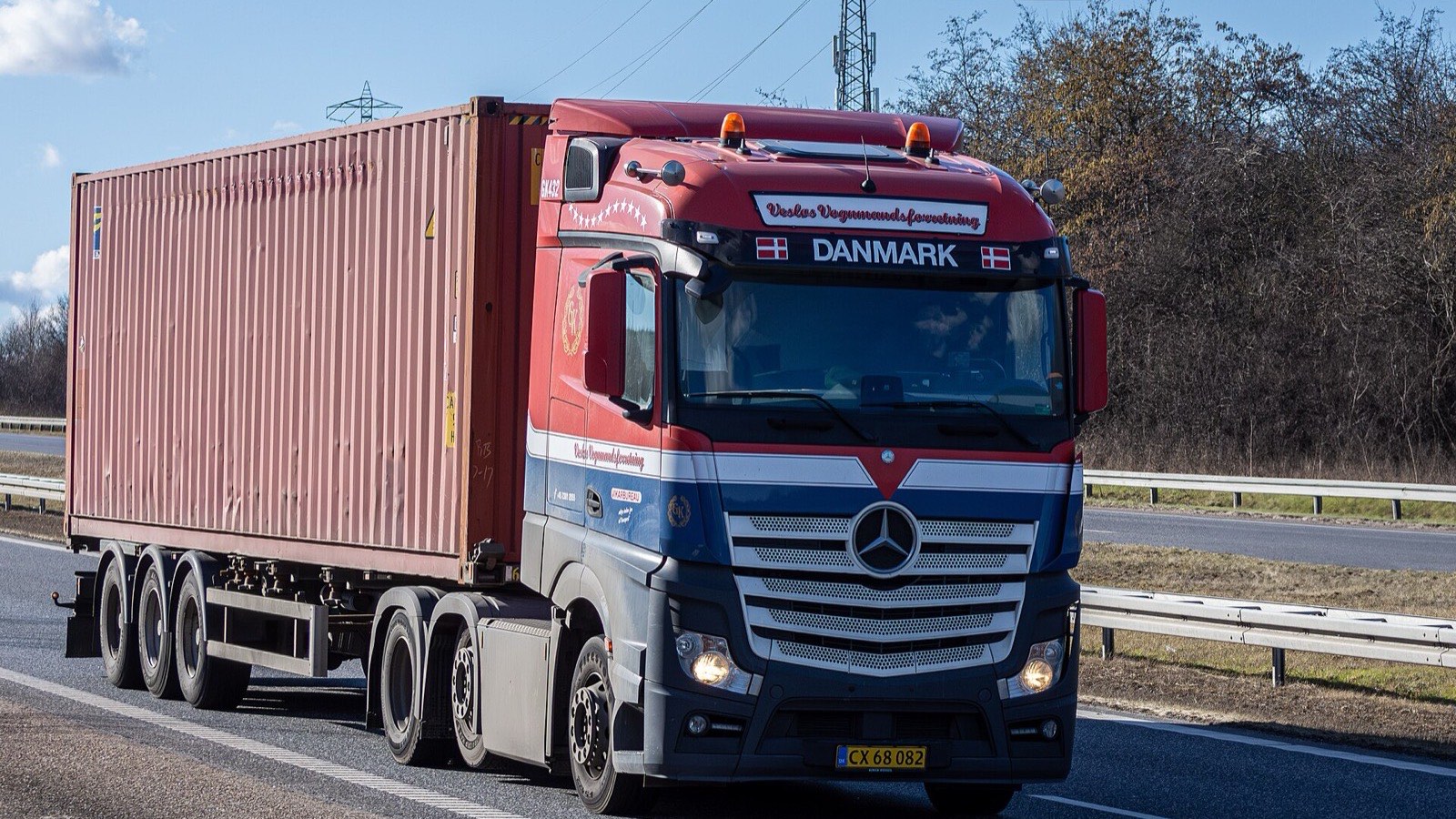
For freight operators the arithmetic was brutal: a long-haul truck burning around 30,000 litres a year saw its annual fuel bill move by five figures within one quarter. Fuel surcharge clauses, hedging and slow-steaming all came back out of the 2022 toolbox.
Where diesel stands now
As of 20 July 2026, diesel averages 2.15 €/L in Germany, 2.09 €/L in France and 1.91 €/L across the EU, all refreshed automatically from our station data. The summer re-escalation has reversed part of the spring relief, and diesel's war premium remains the number to watch for anyone whose margins ride on a fuel card. Track it live on the map, or country by country, for example Germany and France.
DSC_5628-Enhanced-NRLR_-_Flickr.jpg)