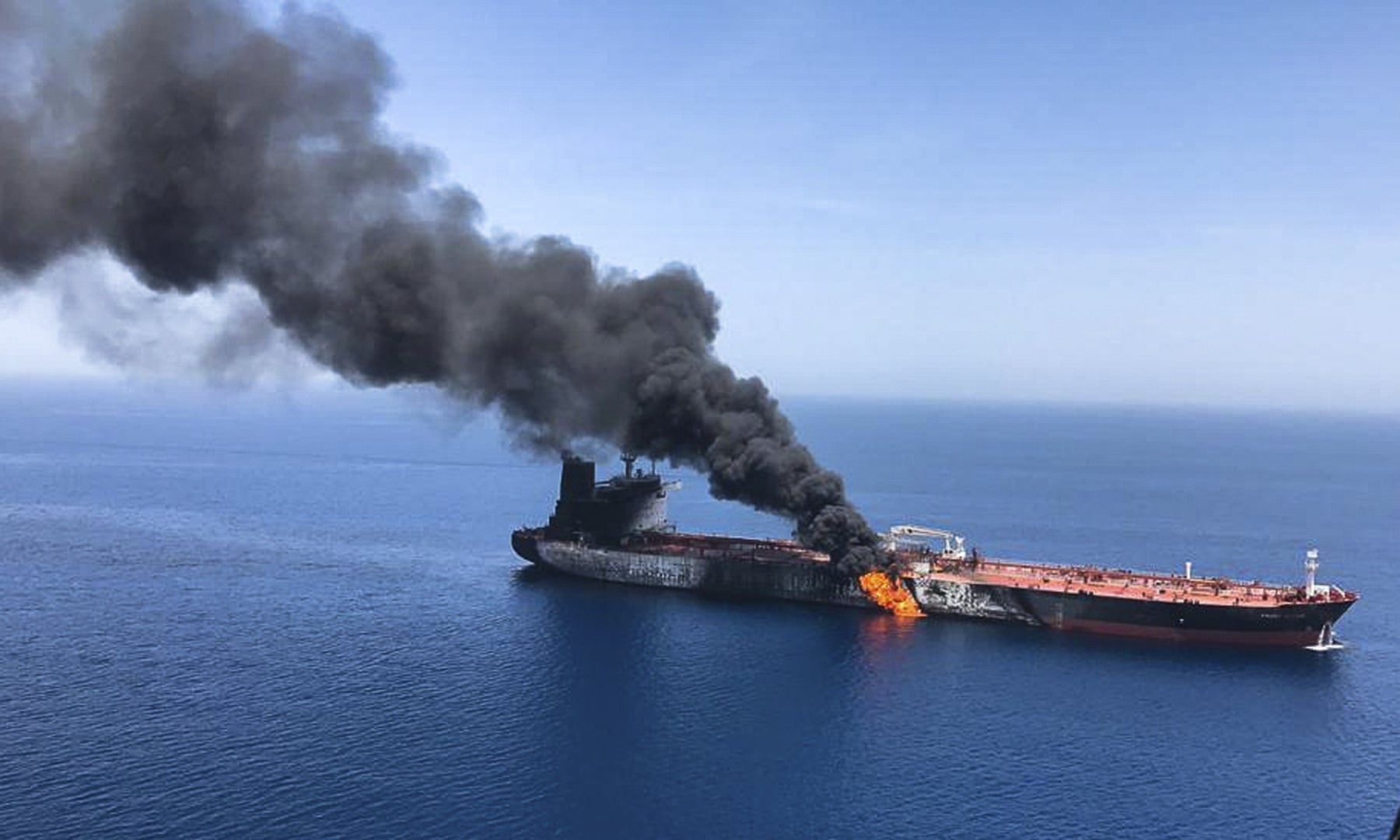
Over the weekend of 19-21 July 2026, Kazakhstan was forced to stop pumping crude to its main export outlet on Russia's Black Sea coast after a series of drone strikes on tankers at the Caspian Pipeline Consortium (CPC) terminal near Novorossiysk. Tanker operators, spooked by hits on the vessels Asia, Nelsa and Nissos Ios, stopped calling at the port.
For Europe this matters. The CPC normally moves around 1.3-1.6 million barrels a day, more than 1% of world supply and over 80% of everything Kazakhstan exports, and Kazakhstan alone accounts for about 12% of the EU's crude imports. That makes it one of the most important sources of non-Russian oil reaching the continent.
Who is most exposed
The barrels shipped from Novorossiysk are a light, low-sulfur grade called CPC Blend, and they go overwhelmingly to Mediterranean and northwest European refineries. Italy is the largest single buyer, followed by refiners in France, Spain, Greece and the Rotterdam trading hub; Romania's Black Sea refinery is fed almost directly from the same source. Countries supplied instead through the overland Druzhba pipeline, such as Germany, are barely touched when a Black Sea terminal goes dark.
But before anyone panics at the pump
A halt at the loading terminal is not the same as refineries running dry. Refiners hold weeks of crude in stock and can lift alternative grades (Azeri, Iraqi, Saudi) through the same terminals, as they have during past CPC outages.
And crude is only about a third of what you pay at a European pump. Fuel taxes and VAT typically make up more than half the price, with distribution and retail margin on top. So even a sustained rise in the crude price feeds through slowly and in diluted form, cents per litre, and with a lag of weeks, not the overnight jump a crisis headline implies.
Where Europe stands right now
As of 22 July 2026, the EU average is 1.88 €/L for petrol and 1.95 €/L for diesel. Here is how a cross-section of the countries we track compares today:
| Country | Gasoline (€/L) | Diesel (€/L) |
|---|---|---|
| 🇮🇹 Italy | 1.99 | 2.15 |
| 🇪🇸 Spain | 1.63 | 1.69 |
| 🇫🇷 France | 2.03 | 2.14 |
| 🇩🇪 Germany | 2.16 | 2.15 |
Live national averages, cheapest per fuel in bold. Non-euro countries also shown in local currency.
What to watch
The real question is how long the terminal stays shut. A few days is noise, absorbed by inventories. Weeks would start to tighten crude around the Black Sea and Mediterranean and nudge wholesale diesel higher across the region. We will track it the only honest way, through the price you actually see at the pump.
Petromap follows stations across 18 European countries live. Check the live map for the cheapest fuel near you, or the news home for more.